
Can gambling improve your decision-making skills? A debate
Understanding Decision-Making
Decision-making is a complex cognitive process that involves evaluating options and selecting a course of action. In life, individuals constantly face choices that require careful consideration of potential outcomes. Effective decision-making relies heavily on critical thinking, emotional intelligence, and experience. Many argue that engaging in activities like gambling could potentially sharpen these skills. The debate centers around whether the high-stakes environment of gambling fosters better decision-making or leads to irrational behavior.
To explore this concept further, it’s essential to consider the variety of gambling activities that exist. From games of chance like slots to strategic games like poker, the nature of the game significantly influences the decision-making processes involved. This raises the question: can the adrenaline rush and high pressure of gambling scenarios help individuals refine their ability to assess risk and make choices wisely? https://csicanadasafety.com/

The Skills Developed Through Gambling
Participating in gambling games often involves analyzing odds, calculating potential returns, and evaluating risk versus reward. These facets echo real-world decision-making scenarios where individuals must weigh the pros and cons before making choices. For instance, a skilled poker player must read their opponents, anticipate reactions, and make rapid judgments based on limited information — skills that are analogous to those required in various business and personal decision contexts.
Additionally, gambling can encourage a sense of discipline and strategy. Players often develop self-control and patience, learning to wait for the right moment to act. This can translate into improved decision-making in everyday life, where thoughtful consideration and measured actions are essential for successful outcomes.
Critiquing the Emotional Influence of Gambling
Despite the potential mental benefits, gambling can also evoke heightened emotions that may impair sound decision-making. The allure of winning can lead to overconfidence, tempting individuals to make hasty decisions based on excitement rather than logic. Moreover, the fear of losing can provoke panic, causing irrational choices that deviate from well-considered strategies.
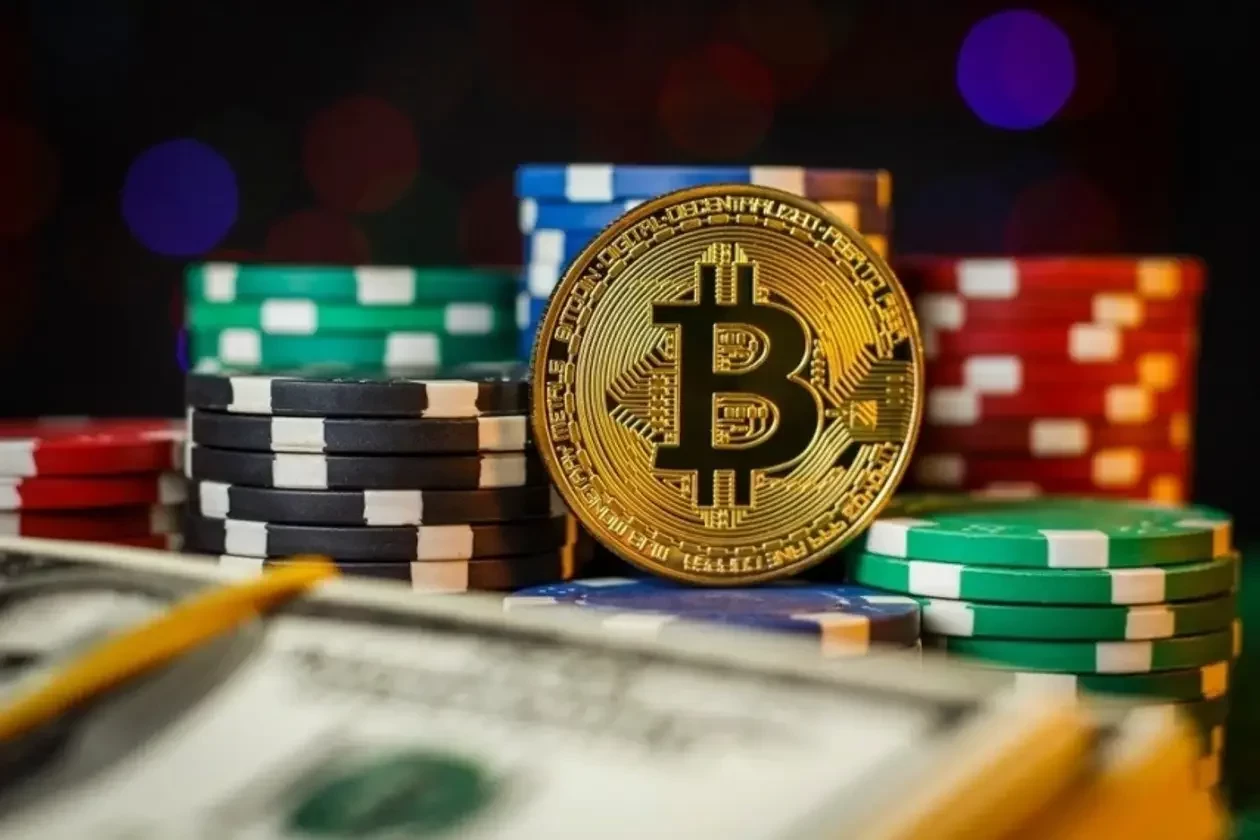
This emotional rollercoaster raises doubts about the reliability of gambling as a tool for enhancing decision-making. While some players may become more adept at assessing risk through repeated exposure, others may develop detrimental habits that cloud their judgment. The stakes of gambling can push individuals to take unnecessary risks, leading to poor decisions not only in the game but also in real-life scenarios.
Empirical Evidence and Studies
Research on the cognitive effects of gambling has produced mixed results. Some studies suggest that engaging in gambling activities can improve certain cognitive functions, such as processing speed and risk assessment. However, other research highlights the potential for negative impacts on judgment and behavior, particularly when gambling leads to addiction.
This contradictory evidence illustrates the complexities of the relationship between gambling and decision-making. While there are scenarios where gambling might enhance specific skills, it also poses risks that could undermine one’s ability to make rational choices. As a result, it’s crucial for individuals to approach gambling with caution and self-awareness.
More on Decision-Making and Gambling at Our Website
If you’re intrigued by the interplay between gambling and decision-making, our website offers a wealth of resources and insights. We delve deeper into how various activities can shape cognitive skills, including decision-making abilities, and provide guidance on mindful gambling practices.